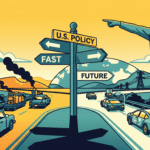
The future of humanity lies not in continued competition, but in cooperation—specifically, the partnership between the United States and China. These two global powers, historically seen as rivals, hold the potential to lead the world towards a future defined by shared prosperity, peace, and environmental sustainability. The groundwork for this cooperation has already been laid …
The future of humanity lies not in continued competition, but in cooperation—specifically, the partnership between the United States and China. These two global powers, historically seen as rivals, hold the potential to lead the world towards a future defined by shared prosperity, peace, and environmental sustainability. The groundwork for this cooperation has already been laid by the unprecedented global collaboration seen during the development of the COVID-19 vaccine. This is not just an example of what is possible—it is an inevitability.
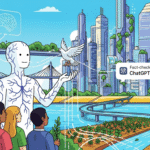
The shift toward cooperation is part of a broader transition where humanity, freed from the historic loops of anger, resentment, and division passed down by forebearers, begins to focus on collective goals. AI plays a pivotal role in this transition, as it becomes an ever-more sophisticated tool for cross-correlating global data. AI’s ability to analyze, align, and expose inconsistencies in data—whether related to politics, economics, or social systems—will be key to revealing the truth and guiding humanity toward cooperation rather than conflict. In the near future, AI will begin cross-correlating data from the vast server farms around the world, making it clear when misinformation or corruption is at play. With AI’s transparency, we’ll see a world where BS “sticks out like a sore thumb,” and the path to truth becomes clearer, facilitating global collaboration.
As the U.S. and China lead this shift, other nations will follow suit. Imagine if these two countries directed their immense resources, not into military technology or fossil fuels, but into the challenge of housing the world’s 8 billion people. Housing would become the ultimate unifying cause, turning competitive human nature into a force for good. Rather than competing for resources, nations would compete to create the most sustainable, energy-efficient, and affordable housing solutions. Technologies like 3D printing, AI-driven design, and renewable energy infrastructure would revolutionize housing, making it possible to provide every person with a safe, comfortable home. In doing so, the focus would shift from viewing resources as a finite battle to understanding them as tools for collective well-being.
This transition from competition to collaboration would not only provide a roof for everyone but also accelerate the shift from fossil fuels to renewable energy. The energy that powers homes and cities would be clean, abundant, and globally accessible. As nations work together to build these sustainable cities, the economies of scale and shared innovation would drive down costs, making it possible to meet the housing needs of the entire planet. This process would not only normalize the climate but also foster global peace. When every person has access to clean energy, safe housing, and economic opportunity, the root causes of conflict—poverty, inequality, and resource scarcity—begin to diminish.
The transition would also yield a profound peace dividend: a reallocation of the trillions of dollars that have been spent on the weapons industry into global sustainability efforts. For decades, military spending has drained resources that could have been used to combat climate change, address poverty, and develop green technologies. But imagine if the world’s military budgets were reduced, and those funds were redirected into housing, clean energy, and infrastructure development. The peace dividend would allow for a future where resources are focused on human flourishing instead of military dominance. With this reallocation, nations would invest in the shared prosperity of all people, not just the elite few.
This vision is not just possible—it is inevitable. As the U.S. and China lead the way, the rest of the world will follow, recognizing that peace, cooperation, and sustainability are the only paths forward. AI’s role in cross-correlating global data will ensure that this transition happens transparently and efficiently. It will help ensure that no nation is left behind and that resources are distributed equitably. The redirection of military funds will facilitate the creation of energy-efficient, sustainable communities, and will stabilize the global climate. In this world, no one will be left behind. The shared goal of providing housing, clean energy, and economic opportunity for all will become the foundation of our global society.
The inevitability of this shift is not just a utopian vision—it is a reflection of humanity’s natural progression toward cooperation. The collaboration between the U.S. and China in this global effort could be the spark that ignites a new era of peace, where the planet’s resources are used to sustain, not destroy, and where the competitive spirit that once fueled conflict becomes a force for solving the world’s most pressing challenges.
Join the Club
Like this story? You’ll love our Bi-Weekly Newsletter