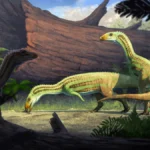
289-million-year-old reptile Captorhinus in its death pose in a cave system. Oil seepages, hyper-mineralized water, fine clays in this cave made it an ideal environment for mummification and fossilization of soft tissues like skin, cartilage, and protein remnants. Credit: Dr. Michael DeBraga
A remarkably preserved, mummified reptile from 289 million years ago is rewriting what we know about how animals first breathed on land. This tiny creature, Captorhinus aguti, reveals the earliest known version of the rib-powered breathing system used by modern reptiles, birds, and mammals — a crucial innovation that helped vertebrates thrive outside water.
Read The Full Story On: https://sciencedaily.com/releases/2026/04/260422044626.htm
Join the Club
Like this story? You’ll love our Bi-Weekly Newsletter